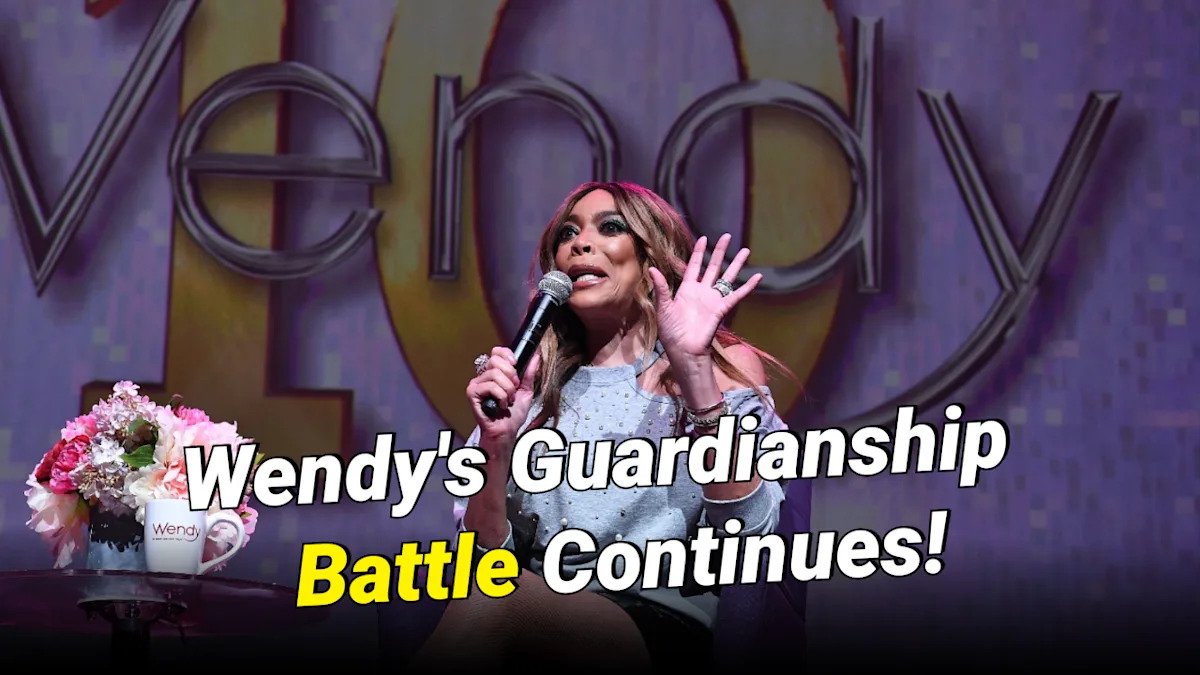
A New York judge upheld the legal guardianship over Wendy Williams in early 2024, extending court-ordered oversight of the former talk show host’s personal and financial affairs. The decision followed months of public debate about her capacity to make independent decisions. On a related note, Abigail Spencer Leaked: What We Know About the Situation adds useful context
How the Guardianship Began and What Led to the 2024 Ruling
Wendy Williams was placed under temporary guardianship in 2022 after Wells Fargo froze her accounts, claiming she was financially vulnerable. The bank filed a petition in New York Surrogate’s Court, prompting judge Allen J. Rubin to appoint Sabrina E. Morrissey as temporary guardian. Morrissey, a court-appointed attorney, was tasked with overseeing Williams’s finances and personal well-being. Public records covering this story are gathered in Timeline of disability rights in the United States
The guardianship became a subject of intense public scrutiny after Williams’s former manager and associates raised concerns about her welfare. In 2023, Williams was diagnosed with aphasia and frontotemporal dementia, conditions that affect cognitive function and communication. which aired in February 2024.
The documentary depicted Williams in distressing circumstances, prompting renewed calls from her family and legal representatives to reassess the guardianship arrangement. Despite these concerns, the court reviewed the evidence and determined that the guardianship remained necessary to protect her interests. Public records covering this story are gathered in Wendy Williams' Medical Exam Complete, Dementia Diagnosis Upholds …
Why the Court Decided to Keep Wendy Williams Guardianship Upheld
The judge’s decision to keep wendy williams guardianship upheld rested on several key factors. Medical evaluations presented to the court indicated that Williams’s cognitive decline had progressed significantly.
Court filings also highlighted ongoing concerns about potential exploitation. Wells Fargo’s initial petition cited evidence that Williams was at risk of financial abuse.
Williams’s legal team did not present sufficient evidence that she could manage her affairs without oversight. The court weighed the medical testimony, the guardian’s reports, and the absence of a viable alternative care plan before reaching its decision. The ruling emphasized that the guardianship was designed to be protective, not punitive.
What Is Confirmed and What Remains Unverified
Williams has been diagnosed with aphasia and frontotemporal dementia by qualified medical professionals. Sabrina E. Morrissey serves as her court-appointed guardian. The Lifetime documentary aired in February 2024 and brought widespread attention to her situation.
What remains unverified: the exact terms of the current guardianship arrangement have not been fully disclosed to the public. Williams’s family members have made conflicting statements about her condition, and it is unclear how much direct contact she has with them. The timeline for any potential modification or termination of the guardianship has not been publicly established.
Why This Case Matters for Guardianship Law and Public Awareness
The case has reignited a national conversation about guardianship reform in the United States. Advocacy organizations have pointed to Williams’s situation as an example of how conservatorship systems can affect individuals with cognitive disabilities. The timeline of disability rights in the United States shows that legal protections for vulnerable adults have evolved significantly, yet gaps remain in oversight and accountability.
Williams’s case has drawn comparisons to Britney Spears’s conservatorship, which ended in 2021 after years of public advocacy. Both cases highlight the tension between protecting vulnerable individuals and preserving their autonomy. Lawmakers in several states have since introduced bills aimed at increasing transparency in guardianship proceedings and strengthening the rights of wards to challenge their status.
For readers following this story, the key takeaway is that guardianship law sits at the intersection of disability rights, financial protection, and personal freedom. The outcome of Williams’s case may influence future legislative efforts to reform how courts handle similar situations.
Frequently Asked Questions
When was Wendy Williams placed under guardianship?
Wendy Williams was placed under temporary guardianship in 2022 after Wells Fargo froze her accounts and filed a petition with New York Surrogate’s Court, citing concerns about her financial vulnerability and well-being.
What medical conditions does Wendy Williams have?
Williams was diagnosed with aphasia and frontotemporal dementia in 2023. Both conditions affect cognitive function, communication, and decision-making ability, according to medical professionals who evaluated her.
Who is Wendy Williams’s court-appointed guardian?
Sabrina E. Morrissey, a court-appointed attorney, serves as Williams’s guardian. She was appointed by judge Allen J. Rubin and is responsible for overseeing Williams’s finances and personal affairs.
Did Wendy Williams oppose the guardianship?
Williams’s legal team challenged aspects of the guardianship arrangement, and her family members publicly expressed concerns. However, the court found insufficient evidence that she could manage her affairs independently, and the guardianship was upheld.
Could the guardianship be ended in the future?
Yes, guardianships can be modified or terminated if circumstances change. Williams’s legal team or family members could petition the court to revisit the arrangement if new evidence emerges regarding her capacity or if an alternative care plan is established.
Leave a Reply