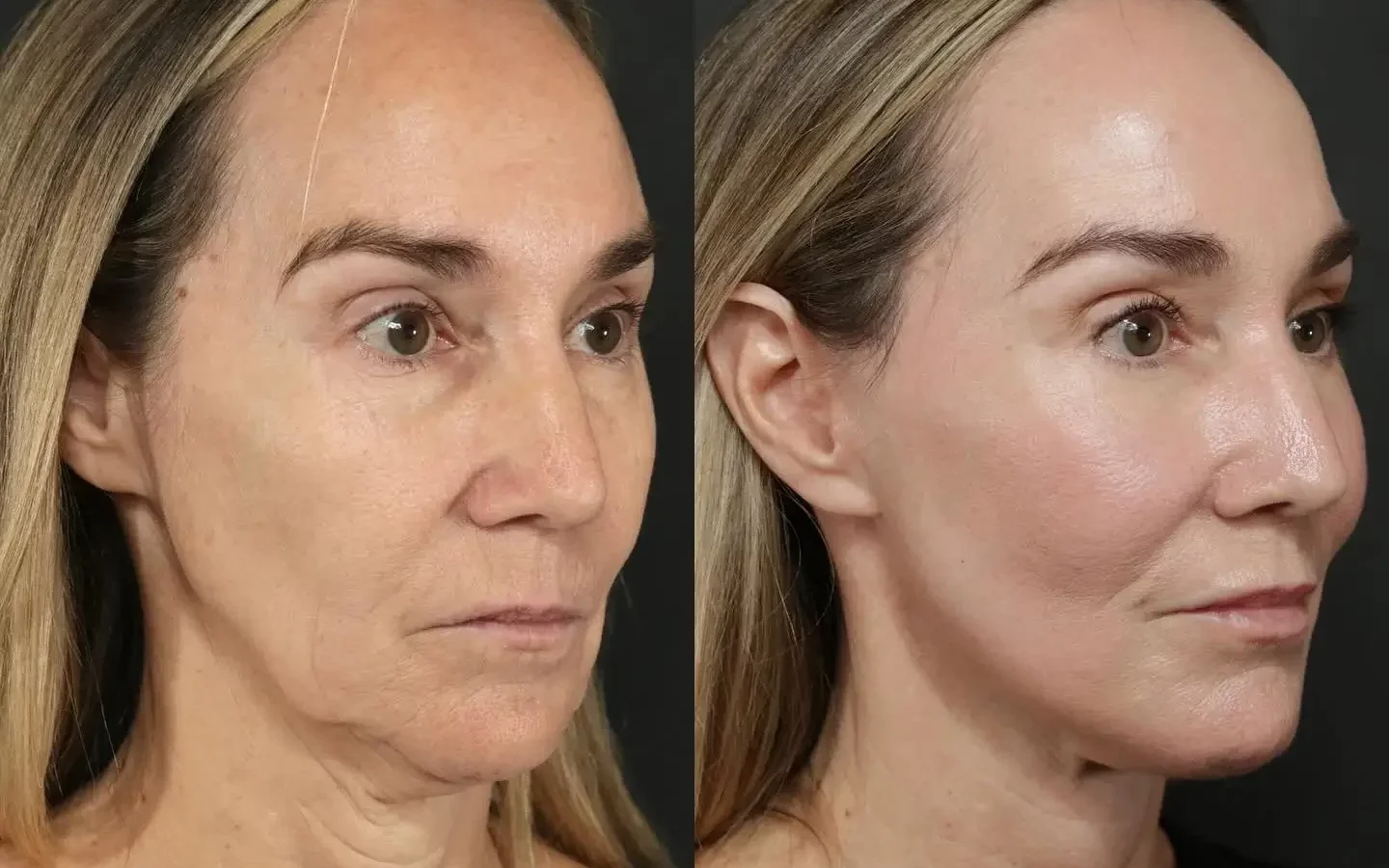
A face lift, clinically known as rhytidectomy, is a surgical procedure that addresses visible signs of aging in the lower face and neck. The first modern rhytidectomy techniques were described in European medical literature in the early twentieth century, and the procedure has evolved significantly since then.
How Face Lift Techniques Have Evolved Over the Decades
The earliest face lift procedures, performed around the 1900s, focused primarily on pulling skin taut. By the 1960s and 1970s, the superficial musculoaponeurotic system, commonly called SMAS, became a central focus of the procedure. This deeper tissue layer allowed surgeons to achieve more durable and natural-looking results compared to skin-only approaches. The deep plane face lift emerged in the 1990s, with surgeons like Andrew Jacono and others refining techniques that reposition underlying facial structures rather than simply tightening skin. Today, surgeons choose from several approaches including the mini lift, the extended SMAS technique, and the deep plane method depending on the patient’s anatomy and degree of correction needed. A reference profile of the subject is maintained on Rhytidectomy
What Surgeons and Patients Report About Face Lift Before and After Outcomes
Plastic surgeons generally evaluate face lift before and after results by examining changes in jawline definition, cheek volume, and neck contour. Dr. Rod J. Rohrich, a board-certified plastic surgeon who has published extensively on facial rejuvenation, has noted that the most satisfying outcomes typically involve addressing multiple tissue layers rather than relying on skin tension alone. Patients who undergo a deep plane rhytidectomy often report a more dramatic transformation in the midface and nasolabial area compared to those who receive a standard SMAS lift. The mini face lift, sometimes marketed as a weekend procedure, tends to produce subtler changes suitable for patients in their late thirties to early fifties with mild laxity. Surgeons emphasize that realistic expectations are essential, as photographs of face lift before and after results can vary widely based on lighting, angle, and the individual’s healing response.
Regional Trends in Face Lift Demand and Patient Demographics
Face lift procedures are among the most commonly performed cosmetic surgeries in North America and Western Europe. The American Society of Plastic Surgeons tracks rhytidectomy as a consistently top-ranked procedure in its annual reports. In South Korea and other parts of East Asia, demand for facial contouring and lifting procedures has grown substantially, though techniques are often adapted to different aesthetic preferences and facial structures. In the Middle East, clinics in cities like Dubai and Istanbul have reported increasing numbers of patients seeking facial rejuvenation, with many combining a face lift with other procedures such as fat transfer or eyelid surgery. Patient demographics have also shifted, with more men seeking rhytidectomy than in previous decades, and the average age of patients has trended slightly younger as preventive and maintenance approaches gain popularity. A reference profile of the subject is maintained on Facelift Before and After Photos | American Society of Plastic Surgeons
What Is Clinically Documented and What Remains Subjective in Face Lift Results
However, individual outcomes depend on factors that are difficult to standardize, including bone density, sun damage history, smoking status, and genetic variation in collagen production. Claims about non-surgical alternatives producing comparable face lift before and after results remain debated in the medical community, as injectable treatments and energy-based devices generally address different aspects of facial aging.
| Face Lift Type | Typical Recovery Time | Estimated Longevity of Results |
|---|---|---|
| Mini Face Lift | 1 to 2 weeks | 5 to 7 years |
| SMAS Face Lift | 2 to 3 weeks | 7 to 10 years |
| Deep Plane Face Lift | 3 to 4 weeks | 10 to 12 years |
Frequently Asked Questions
How many face lift procedures are performed each year worldwide?
Exact global figures are difficult to pin down because many countries do not require centralized reporting of cosmetic procedures. The International Society of Aesthetic Plastic Surgery estimates that hundreds of thousands of rhytidectomy procedures are performed annually across major markets, making it one of the top five cosmetic surgeries worldwide.
When did modern face lift surgery first become widely available?
Modern face lift surgery gained mainstream acceptance in the 1970s and 1980s as SMAS-based techniques were refined and publicized by surgeons in the United States and Europe. Media coverage of celebrity procedures during this era also contributed to broader public awareness and demand.
Who are the most recognized surgeons known for advancing face lift techniques?
Several surgeons have been credited with significant contributions to rhytidectomy methods. Dr. Sam Hamra developed the deep plane face lift technique in the early 1990s. Dr. Rod J. Rohrich has published extensively on facial anatomy and surgical outcomes, influencing how many plastic surgeons approach the procedure today.
What is the biggest factor that affects face lift before and after results?
Surgeons consistently point to the quality and elasticity of the patient’s skin as the single most important variable. Patients with thicker skin and good collagen density tend to achieve more dramatic and longer-lasting improvements compared to those with significant sun damage or very thin skin.
Are non-surgical face lifts as effective as surgical rhytidectomy?
Non-surgical options such as ultrasound-based skin tightening and dermal fillers can produce noticeable improvements for patients with mild to moderate laxity. However, clinical evidence indicates that no non-surgical treatment replicates the tissue repositioning and skin removal that a surgical face lift achieves, particularly for advanced aging in the jawline and neck.
Leave a Reply