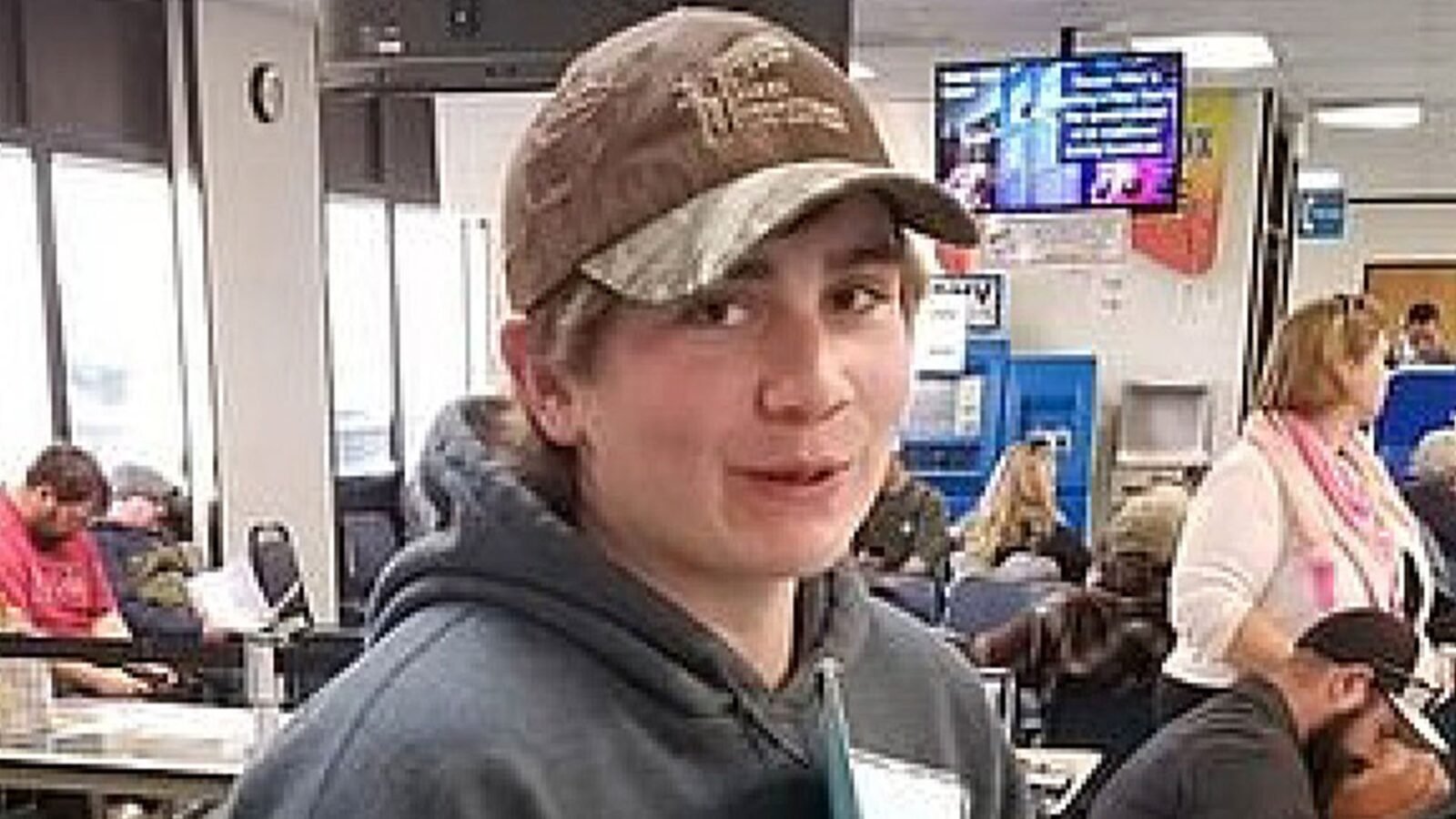
Public interest in the Bryce Dickey case has resurged as true-crime coverage continues to examine violent crimes that led to convictions in rural Nevada. The case involves the death of Britney Ujlaky, a young woman whose killing drew law enforcement attention across multiple jurisdictions.
How the Bryce Dickey Case Began and What Triggered the Investigation
Britney Ujlaky was reported missing in early 2012 in Nevada, prompting a search that eventually uncovered evidence of foul play. Investigators traced leads through witness statements and physical evidence recovered from remote areas. Bryce Dickey became a suspect after detectives connected him to Ujlaky’s last known movements. The investigation involved multiple agencies working across jurisdictional boundaries in a sparsely populated region where such cases are relatively uncommon. According to some sources, the case gained renewed attention when featured on Dateline NBC’s coverage of the crime, which detailed the events leading to the arrest and subsequent legal proceedings. Public records covering this story are gathered in Bryce Dickey Killed, Assaulted Britney Ujlaky in Nevada
| Detail | Information |
|---|---|
| Victim | Britney Ujlaky |
| Location | Nevada |
| Case Year | 2012 |
| Media Coverage | Dateline NBC |
Key People and Evidence Central to the Prosecution
The prosecution built its case around forensic evidence and witness testimony linking Dickey to the crime. Britney Ujlaky’s family participated in the legal process, seeking accountability through the courts. Prosecutors presented evidence that Dickey had assaulted and killed Ujlaky, though specific forensic details remain limited in publicly available records. The defense challenged certain aspects of the evidence presented during trial. The case relied heavily on circumstantial connections and investigative work conducted over an extended period before charges were formally filed.
Major Milestones in the Legal Proceedings Against Bryce Dickey
The timeline of the case spans several years from the initial disappearance to the final conviction. After Ujlaky was reported missing in 2012, investigators spent considerable time gathering evidence before making an arrest. Dickey was eventually charged with murder and sexual assault. The trial process involved pre-trial motions, jury selection, and courtroom testimony from both sides. A jury ultimately found Dickey guilty on the charges. The sentencing phase followed, resulting in a significant prison term. The case was later featured in media coverage that brought it to a wider national audience through true-crime programming.
What Is Accurate and What Gets Misreported About the Case
Several misconceptions circulate online regarding the specifics of the Bryce Dickey case. Some accounts conflate details from other Nevada crimes or misstate the timeline of events. The year of Ujlaky’s death is sometimes reported inconsistently across sources. Additionally, some summaries incorrectly describe the nature of the charges or the specific evidence that secured the conviction. The Dateline NBC episode remains one of the more detailed public accounts, though even broadcast summaries may omit certain procedural details for narrative purposes.
Frequently Asked Questions
When was Bryce Dickey convicted for the killing of Britney Ujlaky?
Bryce Dickey was convicted following an investigation that began when Britney Ujlaky was reported missing in 2012. The legal process extended over a period of time before a jury reached a verdict on the murder and sexual assault charges.
How does the Bryce Dickey case differ from other Nevada true-crime cases?
This case involved a multi-jurisdictional investigation in a rural area, which is less common than urban violent crimes. The conviction relied on a combination of witness testimony and circumstantial evidence rather than a single definitive forensic match.
Is Bryce Dickey still serving his sentence as of recent reports?
According to available public records, Bryce Dickey received a substantial prison sentence following his conviction. Specific details about his current incarceration status would require up-to-date verification through Nevada corrections records.
What is Bryce Dickey best known for in the context of criminal cases?
Bryce Dickey is primarily known for the murder and sexual assault conviction tied to the death of Britney Ujlaky. The case gained broader recognition after being featured on Dateline NBC’s true-crime programming.
Where was Britney Ujlaky’s case originally investigated?
The case was investigated in Nevada, where Britney Ujlaky was last seen before her death. The investigation involved law enforcement agencies operating in the region where the crime is believed to have occurred.
How the Case Resurfaced in True-Crime Media and Public Memory
The Bryce Dickey case found a second wave of attention when true-crime programs revisited the conviction years after the trial concluded. Dateline NBC’s episode provided a structured narrative that introduced the case to viewers unfamiliar with the original 2012 investigation. This type of coverage often prompts renewed public discussion, particularly on social media platforms where users share clips and summaries. The format of long-form true-crime television allows producers to present witness accounts, courtroom footage, and interviews in ways that print reporting sometimes cannot. As a result, cases like Dickey’s reach audiences far beyond the local Nevada community where the crime occurred.
Why Rural Crime Cases Like This One Present Unique Challenges
Violent crimes in sparsely populated areas of Nevada often face investigative hurdles that urban cases do not. Limited surveillance infrastructure, fewer witnesses, and vast geographic distances between evidence sites can slow the pace of an investigation. In the Dickey case, the remote nature of the crime scene meant that physical evidence recovery required extensive coordination between agencies. Prosecutors in rural jurisdictions sometimes rely more heavily on circumstantial evidence and witness cooperation than their urban counterparts. These factors contribute to longer timelines between the initial crime and final conviction, as seen in the multi-year span of the Ujlaky case.
Leave a Reply