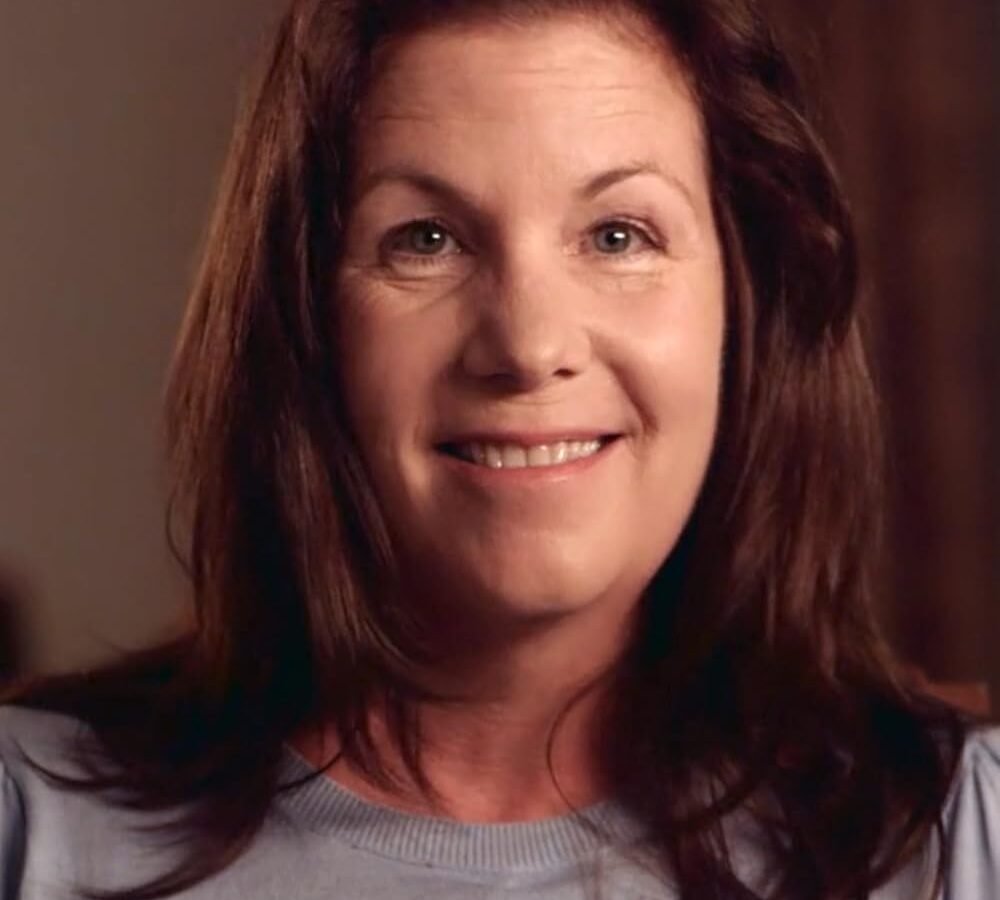
Barbara Weaver is a British public servant who held several senior roles in local government over a career spanning multiple decades. She is best known for her work as chief executive of a major English county council during a period of significant structural change in the sector. Readers exploring barbara weaver will also find context in Henry Olyphant: Career Highlights and Key Roles Explained
Early Career and Rise Through Local Government
Weaver began her career in local government during the 1970s, a period when the sector was expanding its responsibilities in areas such as housing, social services, and planning. She worked her way through a series of progressively senior positions across multiple councils. Her early roles focused on administrative and policy work, giving her a broad understanding of how local authorities operated at both officer and member level. By the late 1980s, she had established a reputation as a capable and experienced chief officer. Colleagues from that era have described her as someone who combined strategic thinking with a practical focus on service delivery. wikipedia.org/wiki/Pat_Weaver” rel=”noopener noreferrer” target=”_blank”>Pat Weaver
Barbara Weaver as Chief Executive of a County Council
Weaver served as chief executive of Wiltshire County Council, one of the key local authorities in South West England. She took on the role during a time when county councils across England were facing mounting pressure to improve efficiency while managing tight budgets. Under her leadership, the council undertook a series of reorganizations aimed at streamlining services and improving accountability. She was known for her direct management style and her willingness to engage with both elected members and frontline staff. Her tenure coincided with a broader national debate about the future structure of local government in England, including the move toward unitary authorities in some areas.
Confirmed Facts and What Remains Unclear
Her appointment was noted in local government press at the time, reflecting the significance of a woman leading a major county council. Some aspects of her post-retirement activities also remain unclear, as she did not maintain a high public profile after leaving her chief executive role. Researchers and journalists seeking more detailed biographical information may need to consult local government archives or contact relevant professional bodies directly. com/eli-weaver-wife-barbara-weaver/” rel=”noopener noreferrer nofollow” target=”_blank”>Eli Weaver Wife: Barbara Weaver Murder Case [2026 Update]
Why Senior Women in Local Government Leadership Matter
Weaver’s career is significant in the broader context of women’s representation in senior public sector roles. During the 1980s and 1990s, the most senior positions in English local government were overwhelmingly held by men. Women who reached chief executive level often did so despite structural barriers and limited mentorship opportunities. Weaver’s trajectory illustrates both the progress that was made and the challenges that remained. Her experience offers a useful case study for anyone interested in public administration, gender equality in leadership, or the evolution of local governance in England. Understanding the careers of senior public servants like Weaver helps inform current debates about diversity and representation in the public sector.
Legacy and Influence on Public Administration Practice
Weaver’s approach to council leadership emphasized clear communication between officers and elected members, a principle that remains central to good governance in local authorities today. Her work during a period of significant change in the structure of English local government provides valuable lessons for current and future public servants. The move toward unitary authorities in Wiltshire and other counties in the early 2000s reshaped the landscape of local governance, and the groundwork laid during Weaver’s tenure influenced how those transitions were managed. Her career demonstrates the importance of experienced, skilled leadership in navigating complex organizational change within the public sector.
Frequently Asked Questions
Who is Barbara Weaver in UK local government?
Barbara Weaver is a British public servant who served as chief executive of Wiltshire County Council. She was one of relatively few women to hold such a senior position in English local government during her era, and she was known for her direct management style and focus on service delivery.
What council did Barbara Weaver lead as chief executive?
Weaver served as chief executive of Wiltshire County Council, a major local authority in South West England. Her tenure coincided with a period of significant structural change in English local government, including debates about the move toward unitary authorities.
When did Barbara Weaver serve in local government?
Weaver’s career in local government spanned several decades, beginning in the 1970s.
Why is Barbara Weaver’s career significant for women in public service?
Weaver’s career is significant because she reached the most senior officer level in a major council at a time when such positions were overwhelmingly held by men. Her trajectory highlights both the progress made and the barriers that remained for women in senior public sector leadership roles.
What happened to Wiltshire County Council after Weaver’s tenure?
Wiltshire County Council was eventually abolished in 2009 as part of a national restructuring that replaced it with a unitary authority, Wiltshire Council. The groundwork for managing such transitions was laid during earlier chief executive tenures, including Weaver’s period of leadership.
Leave a Reply