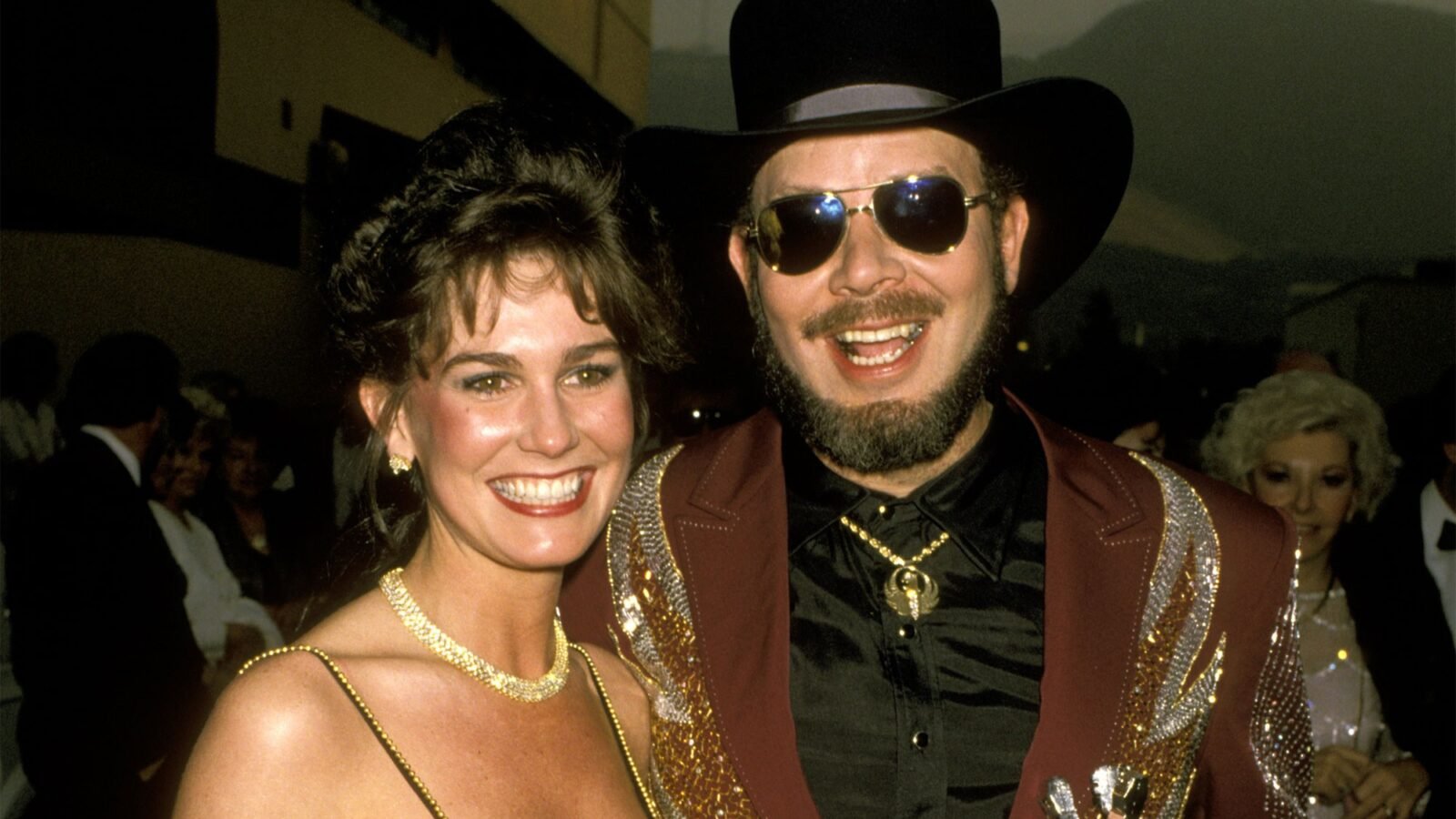
Who is Maryjane Thomas and what role did she play in American government? Maryjane Thomas held several senior positions within the U.S. Department of Labor, contributing to workforce policy and federal labor administration during a period of significant regulatory change.
Key Career Milestones and Government Service Timeline
Maryjane Thomas built her career inside the U.S. Department of Labor over the course of multiple presidential administrations. She served in roles that shaped federal workforce development programs and labor policy enforcement. Her tenure spanned a period when the department focused on modernizing job training systems and strengthening workplace safety oversight. According to public records, Thomas held the position of Deputy Assistant Secretary of Labor, a role that placed her at the center of policy implementation efforts. She worked alongside other senior officials to coordinate between regional offices and Washington-based leadership. Her career trajectory reflects the kind of institutional knowledge that career civil servants bring to federal agencies during transitions between administrations. A reference profile of the subject is maintained on 10+ "Maryjane Thomas" profiles | LinkedIn
| Role | Area of Focus |
|---|---|
| Deputy Assistant Secretary of Labor | Workforce development and labor policy |
| Senior Department of Labor Official | Federal job training program oversight |
| Career Civil Servant | Inter-administration policy continuity |
Policy Work and Collaboration With Other Senior Officials
Maryjane Thomas operated within a department that employed thousands of staff across regional and national offices. Her work involved coordinating policy directives from political appointees with the operational realities faced by field offices. She participated in interagency efforts related to workforce investment and employment training legislation that Congress debated during the 1990s. Thomas collaborated with officials from other federal departments on cross-agency initiatives aimed at improving how government services reached workers displaced by economic shifts. Her role required balancing political priorities with the practical needs of career staff who administered programs daily. Colleagues in the department described the period as one of active reform, where existing programs were evaluated and restructured to meet changing labor market demands. Thomas contributed to internal reviews that assessed how effectively the department delivered services to job seekers and employers across the country.
Common Misconceptions About Her Role and Influence
One frequent misunderstanding involves the scope of authority held by Deputy Assistant Secretaries within the Department of Labor. These officials do not set policy independently. They implement directives from higher-ranking political appointees and career executives. Maryjane Thomas served in a capacity that required translating broad policy goals into operational guidance for regional staff. Thomas operated at a level that was influential within the department’s internal structure but less visible to the public and the press. Some accounts also incorrectly attribute specific legislative achievements to individual mid-level officials when those outcomes resulted from collaborative efforts involving multiple agencies and congressional committees. Her contributions were significant within the context of her position but should be understood as part of a larger institutional effort.
Why Career Civil Servants Like Maryjane Thomas Matter
Federal agencies depend on experienced career staff to maintain continuity between administrations. Officials like Maryjane Thomas carry institutional knowledge that helps new political appointees understand how programs function in practice. Their expertise prevents disruptions in service delivery during transitions that occur every four to eight years. The work of senior career officials often goes unrecognized because it happens behind the scenes rather than in congressional hearings or press briefings. Yet their influence on how policies reach the public is substantial. Thomas’s career illustrates how dedicated public servants shape the effectiveness of government programs without seeking public attention. Readers interested in how federal agencies operate can explore related topics such as the structure of the U.S. Department of Labor’s organizational divisions and how career appointments differ from political ones.
Frequently Asked Questions
Was Maryjane Thomas involved in any political controversies during her career?
There are no widely reported controversies associated with Maryjane Thomas in available public records. She served as a career civil servant, a role that typically involves implementing rather than publicly debating policy. Most public records focus on her professional positions rather than any political activity.
When did Maryjane Thomas serve in the Department of Labor?
Maryjane Thomas held senior positions within the Department of Labor during the 1990s. Her service spanned a period of active workforce policy reform.
Is Maryjane Thomas still working in government today?
Current information about Maryjane Thomas’s professional status is limited. Public records do not indicate any active government role at this time. She may have retired from federal service, as is common after long careers in civil service.
Why is so little publicly known about Maryjane Thomas compared to political appointees?
Their work focuses on implementation rather than public advocacy. Media coverage tends to center on officials who testify before Congress or appear in press briefings, which is not the primary function of Deputy Assistant Secretaries.
Where did Maryjane Thomas work within the Department of Labor?
Maryjane Thomas worked in Washington, D.C., at the Department of Labor’s headquarters. Her roles involved coordinating with regional offices across the country. Specific office assignments within the department are not detailed in widely available public records.
Leave a Reply