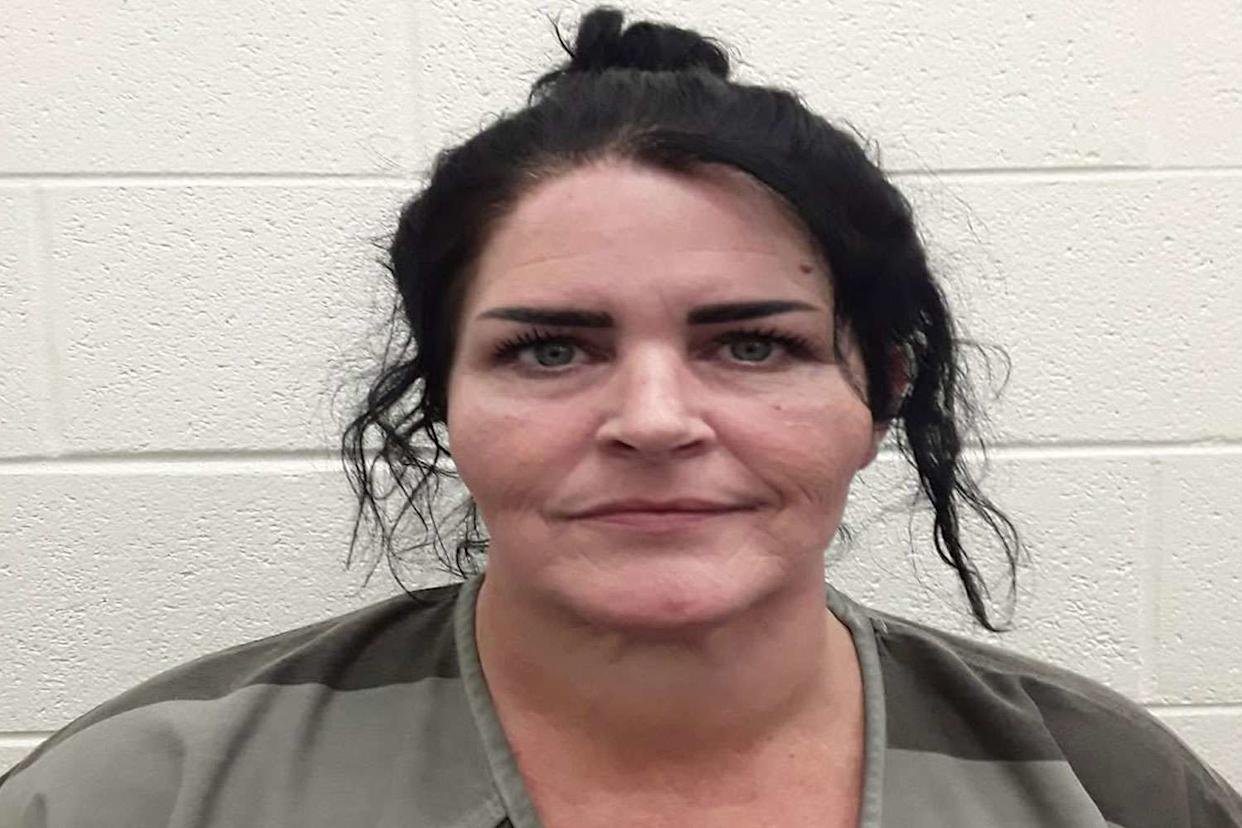
In late 2025, Emilie Berger was arrested for posting an unredacted arrest warrant online, a move that led to serious criminal charges including identity theft. The case has drawn attention to the legal risks of sharing sensitive legal documents on the internet without redaction.
How This Case Compares to Other Doxxing Incidents
The charges against Berger echo a similar case covered by People magazine, where a woman was accused of doxxing a man by publishing his arrest warrant on social media. That case also resulted in identity theft charges. Both incidents highlight how posting unredacted legal documents can cross the line from free expression into criminal conduct. Legal experts note that publishing someone’s personal identifying information — such as home addresses, dates of birth, or Social Security numbers contained in arrest warrants — can trigger prosecution under state and federal privacy laws. Public records covering this story are gathered in Woman Doxxed Man by Posting His Arrest Warrant, Charged with Identity Theft
Public Reaction and Broader Cultural Debate
The arrest sparked debate across social media platforms about the boundaries of transparency and privacy. Some commentators argued that court records are public and sharing them serves accountability. Others countered that unredacted documents contain sensitive personal details that can endanger individuals or enable harassment. Digital rights organizations have pointed out that the legal landscape around doxxing remains inconsistent across jurisdictions. The case has prompted renewed calls for clearer guidelines on what constitutes lawful sharing of public records online versus what crosses into identity theft or harassment. Several online communities that previously encouraged posting arrest warrants have since updated their rules to require full redaction of personal identifiers.
What Happened in the Emilie Berger Case
According to reports, Berger allegedly obtained and posted an unredacted version of an arrest warrant that contained the target’s full name, address, date of birth, and other identifying information. Law enforcement identified Berger through digital forensics and platform records. She was subsequently charged with identity theft and related offenses. The specific platform where the warrant was posted has not been publicly named in all sources. The case is being processed through the local court system, and Berger’s legal team has not issued a widely reported public statement as of the latest available information.
How the Arrest Warrant Was Shared and What Triggered the Investigation
The incident reportedly began when the unredacted warrant was uploaded to a social media account associated with Berger. The person named in the warrant filed a complaint with local authorities, which initiated the investigation. Investigators traced the original post back to Berger’s account using metadata and platform cooperation. The timeline between the initial posting and Berger’s arrest spanned several weeks, according to available reports. The case underscores how quickly digital content can spread and how law enforcement can track the source of a post even after it has been shared widely.
| Detail | Information |
|---|---|
| Incident | Unredacted arrest warrant posted online |
| Charges | Identity theft and related offenses |
| Platform | Public social media (specific platform not confirmed in all sources) |
| Investigation Trigger | Complaint filed by the individual named in the warrant |
| Arrest Date | Late 2025 |
Frequently Asked Questions
What is Emilie Berger best known for in the context of this case?
Emilie Berger is known for being arrested and charged with identity theft after allegedly posting an unredacted arrest warrant online. The case has become a notable example of how sharing unredacted legal documents on social media can lead to criminal prosecution.
Why was Emilie Berger arrested for posting an unredacted arrest warrant online?
Berger was arrested because the arrest warrant contained unredacted personal identifying information, including the individual’s full name, address, and date of birth. Publishing such details publicly can constitute identity theft under applicable laws, even if the underlying court record is technically public.
How many charges does Emilie Berger face?
Berger faces charges including identity theft and related offenses. The exact number of individual charges has not been uniformly reported across all sources, but identity theft is the primary charge cited in available coverage.
Where was Emilie Berger arrested?
The specific location of Berger’s arrest has not been widely detailed in public reports. The case is being processed through the local court system in the jurisdiction where the offense allegedly occurred.
What is the legal risk of posting an unredacted arrest warrant online?
Posting an unredacted arrest warrant can expose the poster to criminal liability for identity theft, harassment, or doxxing. Even though arrest warrants are court records, the personal data they contain is often protected from mass public distribution under state and federal privacy laws.
Leave a Reply