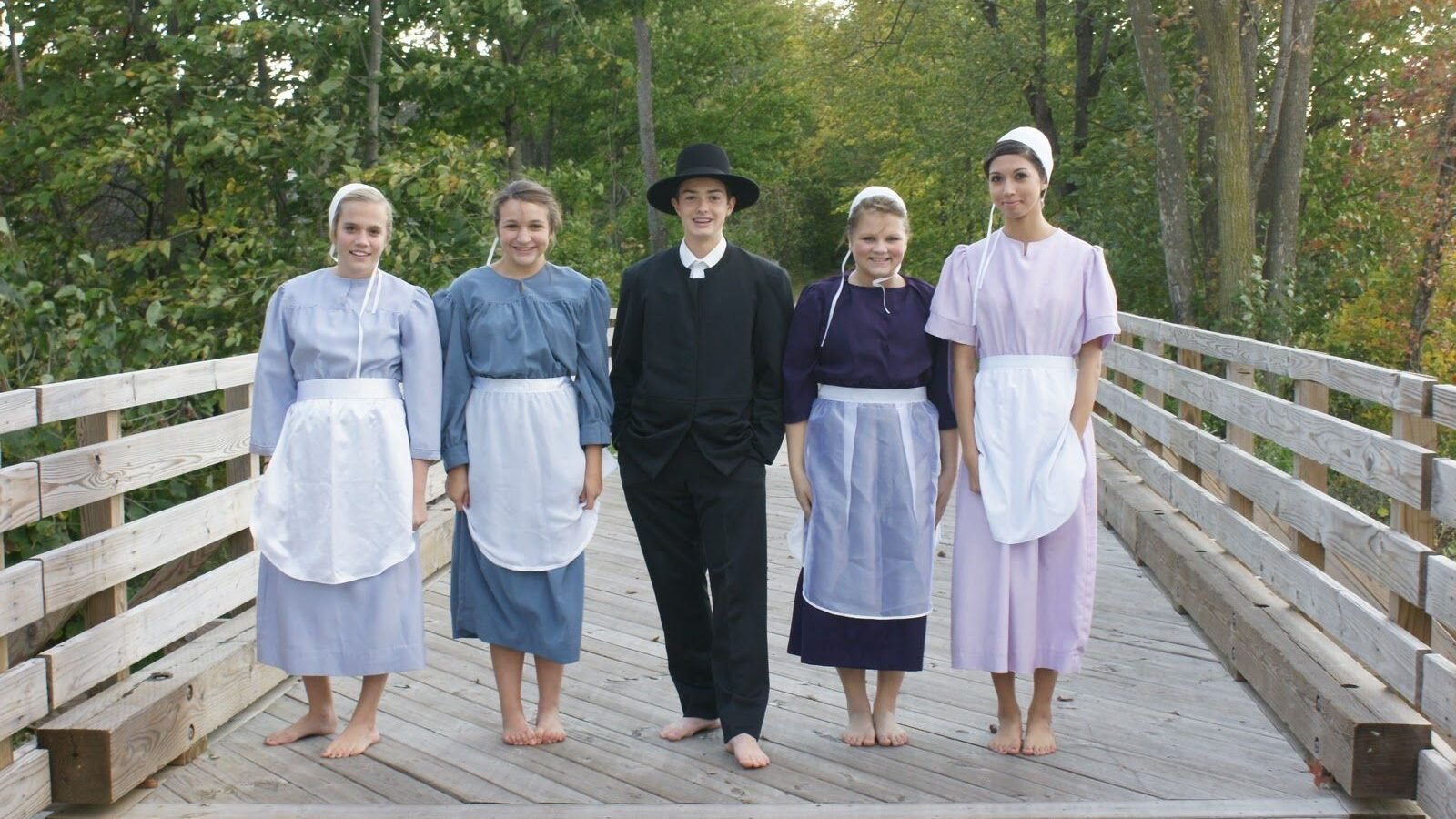
What roles do amish women hold within their communities? They manage households, raise children, run small businesses, and participate in church life while adhering to Ordnung — the unwritten set of rules governing plain communities. Readers exploring amish women will also find context in Semi Truck Accident: Causes, Prevention, and Legal Realities
Daily Life and Responsibilities of Amish Women
Amish women typically marry young, often between ages 20 and 22, and begin raising families soon after. Their daily routines center on cooking, cleaning, gardening, and sewing. Many also handle bookkeeping for family farms or home-based enterprises. Women in communities across Lancaster County, Pennsylvania, and Holmes County, Ohio, are known for producing quilts, baked goods, and preserves sold at local markets. wikipedia.org/wiki/Amish” rel=”noopener noreferrer” target=”_blank”>Amish
Church services are held every other Sunday in members’ homes. Women prepare the space, organize communal meals, and sit separately from men during worship. They do not serve as ministers or bishops, but they vote on church matters and can nominate candidates for leadership roles. This participation, while limited compared to men, gives women a voice in community governance.
Education for amish girls typically ends after eighth grade. One-room schoolhouses operated by the community serve students through age 14. Teachers are usually young unmarried women from the same settlement. The focus is on reading, writing, arithmetic, and practical skills rather than higher academics. com/do-amish-women-have-rights/” rel=”noopener noreferrer nofollow” target=”_blank”>Amish Women: Their Lives, Work & Roles. Are They Happy?
| Aspect | Typical Practice |
|---|---|
| Marriage age | Between 20 and 22 years old |
| Education level | Ends after eighth grade |
| Church leadership | Women vote but do not hold ministerial roles |
| Economic activity | Home-based businesses, quilting, baking, farming |
Recent Shifts and Evolving Roles in Plain Communities
Some amish women have expanded their economic roles in recent decades. Home-based businesses run by women have grown in number, particularly in areas like soap-making, herbal remedies, and online retail of handmade goods. These enterprises operate within community guidelines but allow women to contribute significantly to household income.
Rumspringa — the period when adolescents explore life outside the community — affects young women as well as men. During this time, some experiment with modern clothing, technology, and social activities before deciding whether to commit to baptism and church membership. The majority ultimately choose to remain, but the experience shapes their understanding of both worlds.
Healthcare decisions also involve women directly. Many amish families prefer midwifery and home births. Women often serve as informal health knowledge keepers within their communities, passing down herbal remedies and practical care techniques across generations.
How Amish Women’s Roles Compare to Those in Other Plain Groups
Mennonite women share some similarities with amish women but generally have fewer restrictions on education and career. Many Mennonite women attend college and work as teachers, nurses, or office workers. Hutterite women, who live communally in rural areas of the Dakotas and Canada, divide labor by gender in ways similar to the amish but within a more collective household structure.
The Old Order Mennonites occupy a middle ground. Their women may drive cars with enclosed carriages but avoid modern dress. Each group’s interpretation of scripture shapes the boundaries of women’s daily lives, creating a spectrum rather than a single model of plain living.
Misconceptions About Amish Women Clarified
One common misconception is that amish women have no agency. In reality, they make meaningful choices about marriage, business, and community participation. The decision to join the church through baptism is voluntary, and women who choose to leave face the same shunning consequences as men.
Another misunderstanding involves their appearance. The prayer covering, or kapp, worn by amish women is not a symbol of oppression but a religious practice based on their reading of 1 Corinthians 11. Women view it as an expression of faith and identity rather than a restriction.
Reports sometimes portray amish communities as static and unchanging. In practice, different settlements vary widely in their adoption of technology and interaction with the outside world. Some allow cell phones for business purposes. Others permit solar panels or pneumatic tools. These decisions are made collectively, with women’s input carrying weight in household-level choices.
Finally, the idea that amish women are isolated from broader economic life is inaccurate. Many interact regularly with non-amish customers, suppliers, and neighbors. Their products reach national markets through craft stores and online platforms, creating economic connections that extend far beyond their rural communities.
Frequently Asked Questions
What is the role of amish women in church services?
Amish women prepare the home for worship, organize the communal meal afterward, and sit separately from men during the service. They vote on church matters and can nominate candidates for ministerial roles, though they themselves do not serve as bishops or ministers.
Why do amish women stop school after eighth grade?
The amish believe that basic education through age 14 is sufficient for their way of life. Higher education is seen as a risk because it may expose children to values and ambitions that conflict with community principles. One-room schoolhouses focus on practical skills and religious instruction.
How do amish women’s roles differ from those of Mennonite women?
Mennonite women generally have more access to higher education and professional careers than amish women. While both groups value modest dress and family life, Mennonite communities tend to permit greater engagement with modern technology and outside employment for women.
How many children do amish women typically have?
Amish families are generally large, with six to seven children being common in many communities. Family size varies by settlement and individual household, but the emphasis on large families is a consistent pattern across most amish groups.
Why do amish women wear a prayer covering?
The prayer covering, called a kapp, is worn based on the amish interpretation of 1 Corinthians 11, which discusses head coverings during worship. Women view it as a religious obligation and a visible sign of their commitment to faith and community identity.
Leave a Reply