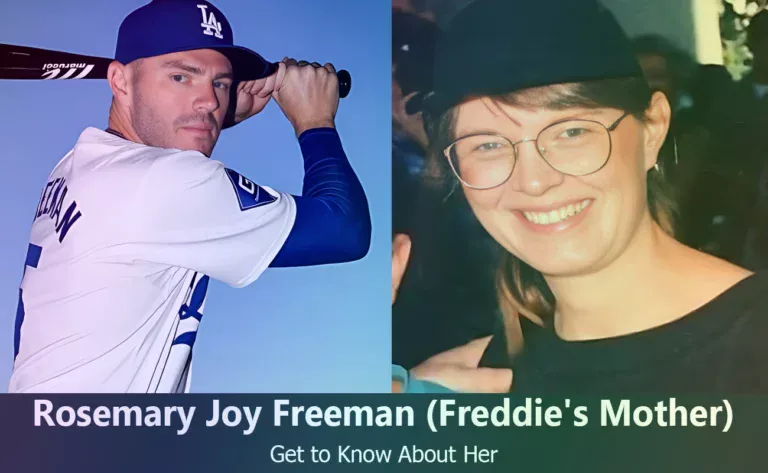
Rosemary Freeman was a British actress whose career spanned film and television during the mid-20th century. She appeared in several productions that contributed to the landscape of British entertainment during that era. For a complementary read on the same theme, see Ski Trip Inspired Weight Loss: How a Winter Getaway Can Transform Your Fitness
Early Career and Entry into British Film
Freeman began her acting career during a period when British cinema was expanding rapidly. The post-war years saw a surge in domestic film production, creating opportunities for new performers. She entered the industry at a time when studios were actively casting fresh talent for both supporting and leading roles. A reference profile of the subject is maintained on Rosemary Freeman
Her early work included appearances in British productions that showcased the range of domestic storytelling. These roles helped establish her presence within the competitive acting community of the time. Details about her earliest credited appearances remain limited in widely available public records.
Notable Roles and Television Appearances
Rosemary freeman appeared in television productions that were part of the growing British broadcast landscape. Television was becoming a dominant medium in British households during the 1950s and 1960s. Her work on screen placed her among a generation of actors who transitioned between film and the newer medium. A reference profile of the subject is maintained on All About Freddie Freeman's Parents, Frederick and Rosemary Freeman
She is known to have appeared in dramatic and narrative programs typical of the period. British television drama was gaining prestige, and performers like Freeman contributed to its development.
Personal Life and Public Profile
Freeman maintained a relatively private personal life compared to some of her contemporaries. She was married to actor John Forrest, a union that connected two working performers within the British entertainment industry. Their marriage was noted in public records related to both of their careers.
Unlike many public figures of the era, Freeman did not seek extensive media attention outside of her professional work. This discretion was common among British actors of her generation, who often separated their screen personas from their private lives. Much of what is known about her comes from professional credits and industry records rather than personal interviews or memoirs.
What Is Documented and What Remains Unclear
These facts appear in industry databases and reference materials covering British performers of the mid-20th century.
Researchers and enthusiasts interested in her work may need to consult specialized archives or British film institute records for a more complete picture. Some sources may contain incomplete or conflicting information regarding specific production credits.
Why Mid-Century British Performers Deserve More Attention
Actors like Rosemary Freeman played important roles in building the foundation of British film and television. Their contributions often go unrecognized in broader entertainment history, which tends to focus on a smaller number of high-profile names. Recovering and documenting their work helps create a more accurate picture of the industry’s development.
This broader recognition enriches the understanding of British cultural history and the many individuals who shaped it.
Frequently Asked Questions
Who was Rosemary Freeman?
Rosemary Freeman was a British actress active during the mid-20th century. She appeared in film and television productions as part of the growing British entertainment industry during that period.
What is Rosemary Freeman known for?
She is known for her work as a performer in British film and television during the 1950s and 1960s. Her specific most notable roles are not comprehensively cataloged in widely available public sources.
Was Rosemary Freeman married to another actor?
Yes, she was married to John Forrest, who was also a British actor. Their marriage connected two working performers within the same industry during a formative era for British entertainment.
Are there detailed records of all her film and television roles?
Specialized archives or British film institute databases may hold more detailed records.
Why is Rosemary Freeman not widely recognized today?
Many mid-century British performers like Freeman have faded from mainstream recognition despite meaningful contributions.
How Rosemary Freeman’s Career Reflects the Changing British Entertainment Industry
The mid-20th century was a transformative period for British entertainment. The rise of television alongside established film studios created new opportunities for performers. Rosemary freeman’s career trajectory mirrored this shift, as she worked across both mediums during a time of significant change.
British actors of her generation often navigated an industry that was still defining itself in the post-war era. The emergence of the National Theatre and the expansion of BBC drama programming reshaped what it meant to be a working actor. Freeman’s presence in this evolving landscape places her within a cohort of performers who helped establish the conventions of British screen acting that followed.
The limited documentation surrounding her career also reflects broader archival challenges. Many mid-century British productions were not systematically preserved, and performers who were not major stars often received minimal press coverage. This gap in the historical record affects how audiences and researchers understand the full scope of British entertainment during this period.
The Broader Context of Under-Documented British Performers
Freeman’s situation is not unique. Their contributions formed the backbone of an industry that would eventually produce internationally celebrated work.
Efforts by organizations such as the British Film Institute and various television heritage projects have sought to address this gap. Digitization of archives and improved cataloging have made some previously hard-to-find records more accessible. However, significant portions of mid-century British production history remain incomplete, particularly for performers who worked primarily in supporting roles.
For readers interested in this era, exploring these archival resources can reveal a richer and more diverse picture of British entertainment history than mainstream accounts typically provide. The work of performers like Rosemary Freeman deserves recognition as part of that fuller story.
Leave a Reply